‘Vibe Analytics’: The Evolution from Questions to Conversations with Data
From Vibe Coding to Vibe Analytics
This shift may send shivers up the spine of Data and Analytics professionals, where it is known all too well that trust in data is hard won, but very easily lost. However it is important to understand where this approach to working with data fits in as a complement to traditional BI and Analytics, rather than as a replacement.
The concept of ‘Vibe coding’ emerged from Andrej Karpathy’s influential X post about a new programming style where developers “fully give in to the vibes” and let large language models (LLMs) write code through natural conversation. In Karpathy’s words:
So what changed?
While “talk to data” solutions have existed for years, they never gained widespread adoption due to technical capability limitations. In short, they weren’t great. Earlier natural language processing (NLP) systems could only handle basic queries and often produced unreliable results. And while still far from perfect, today’s LLM GenAI capabilities have crossed a critical capability threshold, enabling complex analytical conversations that were impossible just a few years ago.
Consider an example: Instead of spending days constructing queries to analyse customer feedback, a business leader can now ask, “From our customer calls, what were the top themes for customers with lower NPS scores?” The system doesn’t just return a simple answer, it engages in a dialogue, surfacing unexpected patterns, suggesting follow up questions, and enabling real-time exploration of emerging insights.
If you have tried to use LLMs or any data specific ‘talk to data’ tools, you’ll know that it still has a way to go, and relies on really solid data foundations to be able to create trustworthy responses (think data quality, metadata, semantic and metrics layers, and well constrained data products), but the trend in the capability is undeniable.
The Fundamental Process Transformation
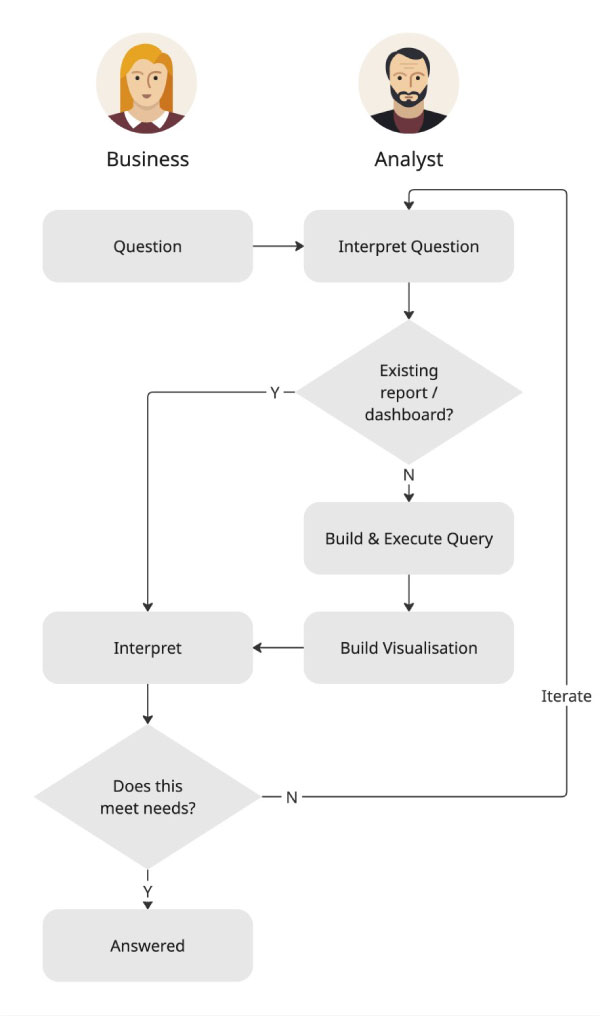
Traditional business intelligence follows a rigid, linear process that creates bottlenecks and often involves a number of handovers and dependencies between teams. The traditional flow involves someone with a business question working with a technical BI or Data Analyst, explaining their question or business problem (usually very poorly), their analyst interpreting this, going away and building queries and data visualisations, sharing this back and iterating on this cycle until their original question is answered.
This approach creates dependencies between those with business questions and those with the technical skills to be able to answer them, creating lost in translation problems and limits real unfettered exploration of data.
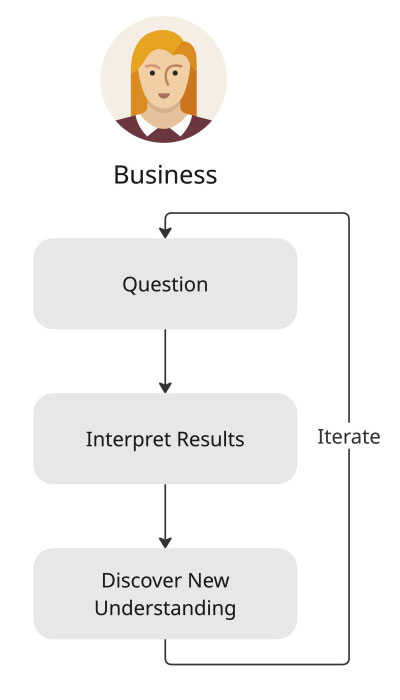
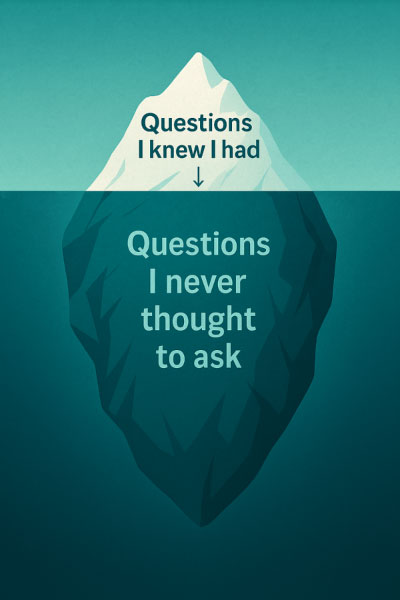
The improvisation aspect is crucial. Where traditional analytics asks static, constrained “What happened, why?” questions, vibe analytics allows for collaborative exploration to uncover both new answers as well as new questions. This combination of human intent and curiosity, with machine pattern recognition often reveals new insights that neither alone would discover.
Democratising Data Access
One of the most significant implications is the democratisation of analytical capabilities. Business users can increasingly explore and understand their own data without waiting for intermediaries to translate their questions into technical queries and data visualisations. This shift eliminates the frustrating hop between business needs and technical implementation.
The Evolution of BI and Data Analytics Roles
While this shift doesn’t eliminate the need for traditional BI and Data Analyst roles, it will transform some roles in two critical directions:
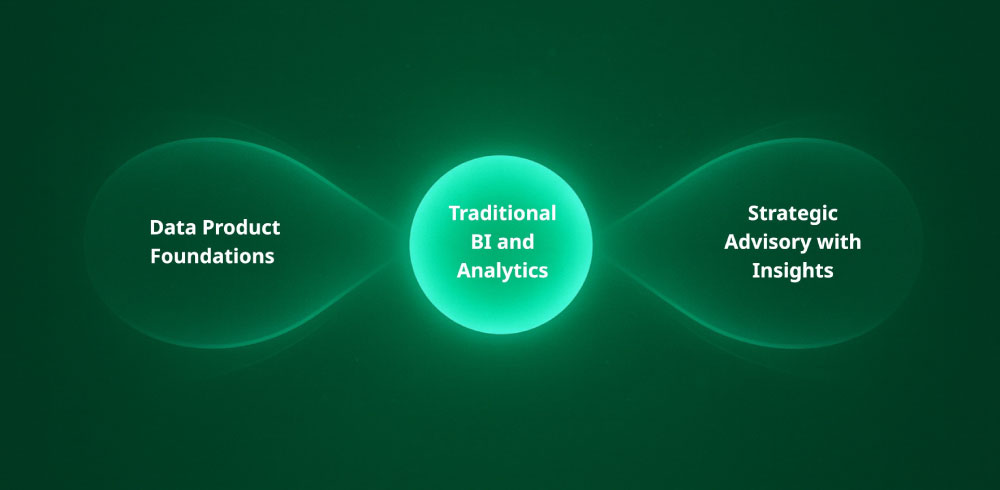
Second, some will evolve toward strategic advisory roles using the insights gained. Instead of spending time translating business questions into technical queries, they can focus on helping organisations understand what their new found answers mean and how to act on insights.
There is also the ongoing need for deep Data Analytics skills to validate data, assumptions and insights for high impact decisions and actions that may follow from discoveries made through.
Critical Success Factors
Michael Schrage shared the below caution in his MIT Sloan Management Review article: Vibe Analytics: Vibe Coding’s New Cousin Unlocks Insights:
- Data foundations – Ensure the underlying data is of high quality; good metadata is present including field level names with meaningful descriptions and synonyms if relevant; semantic and metric layers are used as required.
- Start small – Provide focused data with specific use cases in mind. Start with a small set of limited questions that you anticipate being asked, and then evolve and grow that as required.
- Provide good examples and instructions – When setting up the space for users to interact with, provide a limited, focused set of instructions including example sql queries where possible.
- Self test and iterate – Have a suite of test benchmark questions, and fine tune responses with specific feedback and feedback until you are getting reliable responses
- Test with a small group of users – Choose a small group of users to initially beta test with. Ensure they know their job is to help evaluate and train the model. Set expectations on the scope of the questions they should be focussing on and have them upvote, downvote and provide additional feedback on responses
- Monitor in production – Ensure ongoing ownership of model is clear and that performance against benchmarks are monitored. Make sure users are using common sense and know the limitations of this approach. If critical decisions are being made based on responses, ensure results are validated accordingly.
Where to from here?
Success requires both technical capability and cultural adaptation. Teams must learn to ask better questions, follow unexpected threads, and synthesise insights from this conversational exploration.
As we see capabilities continually improving with every model release, vibe analytics offers a glimpse into a future where data becomes a collaborative partner in discovery rather than a passive resource to be queried.
This shift mirrors the evolution from manual queries to automated monitoring systems, but with exponentially more sophistication. Agentic Analytics doesn’t just flag predetermined thresholds, it can dynamically discover what should be monitored based on evolving business contexts and emerging data patterns.
Beyond making people aware of actual or forecasted changes in data, agentic integration also allows for automated hypothesis testing as well a strategy formulation. Instead of a human having to define questions, create a hypothesis to explain causality, and then work to formulate a business strategy to react to the change, an agent might observe:
- Observation: Customer acquisition costs increased 13% in Q3, but this correlates with higher lifetime value.
- Hypothesis: We’re attracting more premium customers.
- Validation: Testing through cohort analysis and behavioural segmentation, calculating customer lifetime value trajectories with 90% confidence intervals to validate the premium customer thesis
- Recommendation: Allocate more resources to acquisition channels or campaigns that are driving premium customers, as higher lifetime value offsets the increased acquisition costs.
- Action: Run channel-level analysis to identify which platforms (e.g., paid search, social ads) are over-indexed for attracting high-value customers. Pilot A/B tests to validate strategy.
This blogpost was originally posted on Bryn’s LinkedIn in August 2025 and Bryn gave a Deep Dive session on this topic at AgileAus26. Images were sourced from the original LinkedIn post.

Stay in the loop
To receive updates about AgileAus and be subscribed to the mailing list, send us an email with your first name, last name and email address to signup@agileaustralia.com.au.
The Three Reinventions
What am I actually built on? AI is now forcing that question on every knowledge worker, every leader, every organisation. And my answer to it matters more than it has at any previous point in my career.
Reinvention one: by instinct
My first reinvention was not strategic. It was instinctive. I was drawn to roles where I had to build things, solve problems that crossed functional lines, and learn fast. That pattern put me in the deep end in a range of roles across multiple countries, spanning multiple industries. Each context looked different on the surface, but shared something underneath.
One of my leaders saw this before I did. Early in my career, James Kim told me something I did not fully understand at the time. He said he could put me in any role, in any company, in any industry, and I would figure it out. It took me years to understand, believe and feel what he saw.
What transferred across every context was not domain knowledge. It was the ability to walk into unfamiliar territory, read the system, build the relationships, and deliver. The thing that moved with me was not what I knew. It was how I learned.
Reinvention two: by design
My second reinvention started with a tool and became something more fundamental. When I completed CliftonStrengths for the first time, it gave me language for what had been driving my career all along. My top talents were not personality traits. They were the operating system I had been running without being able to name it.
That clarity changed how I made decisions. But the sharper shift came from a conversation over a cup of tea.
Andrew Walduck, a leader I turned to often for career perspective, said something that has stayed with me since. “Hope is not a strategy, Nat.” He was not being unkind. He was being precise. He told me I needed to stop waiting for the right opportunity to find me and start being clear about three things: what I had done, what I excelled at, and what I wanted to do next.
So I wrote it down. I created a document I called “Hope is Not a Strategy”: a clear articulation of my strengths, my purpose and my values. I revisit it every year to update what I have done and what I want to do. When I can say with clarity that my purpose is to create more than I consume, and that where I add most value is building high-performance teams that can create an ambitious vision AND execute, I stop applying for roles and start designing my contribution.
Reinvention stopped being something that happened to me. It became something I practised. What made the difference was this: reinvention without self-awareness is just movement. You accumulate experiences rather than compounding them. When reinvention is anchored in purpose and strengths, each move builds on the last. You unlock a different kind of energy: one that comes from progressing your purpose, not just your career.
Reinvention three: by necessity
I have spent twenty years leading digital transformation. I thought I understood what it meant to lead through technological change. AI has humbled that assumption.
The pace is not just faster. It is qualitatively different. The technology I am using today did not exist six months ago. The technology I will be using in six months probably does not exist yet. The old model was to build expertise, rise through the ranks, and protect your position. It no longer holds. What you know is worth less each cycle. How you learn and adapt is worth more. Your current position is not a place to protect. It is a platform to launch from.
The risk I am most alert to is what I think of as the empty loaf problem.
Imagine a village where a machine arrives that can bake perfect sourdough in seconds. The baker, delighted, stops feeding his starter. He stops kneading by hand. The apprentice never learns to feel when the dough is ready. The bread looks the same. But there is nothing inside. When the machine breaks, there is no craft to return to.
The same risk exists when leaders delegate their thinking to AI. The output looks coherent. The communication sounds polished. But the underlying craft quietly atrophies: the ability to ask the question nobody else thought to ask, to push past the first coherent answer to the truer one beneath it, to synthesise complexity, to make a judgment call under pressure, to see what the data cannot yet confirm. You produce the loaf without cultivating the starter.
This is not an argument against using AI. I use it extensively but deliberately. The argument is about what you choose to protect.
The thread
If I zoom out across all three reinventions, the pattern is this: through each reinvention, what I had to let go were the things tied to a specific context: roles, titles, domain knowledge. What I held onto were the things that are most distinctively mine: the ability to learn anything and draw energy from that process; to take something broad and ambiguous and break it into something that can actually be executed; to understand what people need, not just what they ask for; to build relationships where real trust and real results coexist; to hold both the vision and the execution without losing sight of either. These are not just capabilities. They are my strengths: the expression of how I am wired to think, to lead, and to learn.
AI can augment every one of those strengths. It cannot replace them.
The difference between reinvention that compounds and reinvention that drifts is whether you know what you are building on. Your purpose. Your strengths. The things that do not change even when everything around you does.
AI is going to force this question on every knowledge worker: what are you actually built on? If the answer is your title, your technical skill or your current role, you are standing on shifting ground. If the answer is deeper than that, you have something solid to build from.
I am building again. It is uncomfortable. Again. And I am more certain than ever that this is exactly where I am supposed to be.
What are you protecting in this reinvention, and what are you prepared to let go?
This blogpost was originally posted on Natalie’s LinkedIn in March 2026.
Stay in the loop
To receive updates about AgileAus and be subscribed to the mailing list, send us an email with your first name, last name and email address to signup@agileaustralia.com.au.
Deprecated: Creation of dynamic property ET_Builder_Module_Comments::$et_pb_unique_comments_module_class is deprecated in /home1/agileau1/public_html/wp-content/themes/Divi/includes/builder/class-et-builder-element.php on line 1425
Summer Reads for Reflection, Learning, and Growth
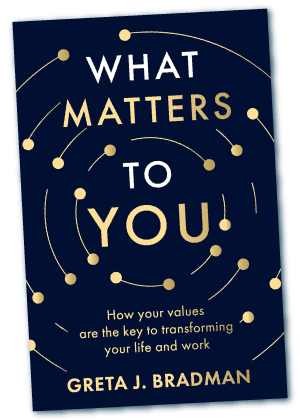
What Matters to You – Greta Bradman
Need some time to reflect on what matters most as you shape your own “life well lived”? This book is a beautiful companion for doing just that. Greta Bradman unpacks how our values influence the way we see and respond to the world, often without us realising. For those in the audience when AgileAus20 finally happened (in December 2021!), you’ll remember how lucky we were to have Greta deliver a keynote. Her calming, insightful presence on stage shines through in this thoughtful read.
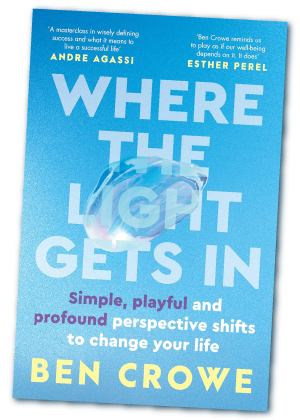
Where the Light Gets In – Ben Crowe
Ben also delivered a standout keynote at the very tardy AgileAus20, delivering exactly the message we needed at the time. His book offers the same blend of warmth, clarity and playfulness. A perfect holiday read for anyone seeking renewed purpose or a shift in perspective.
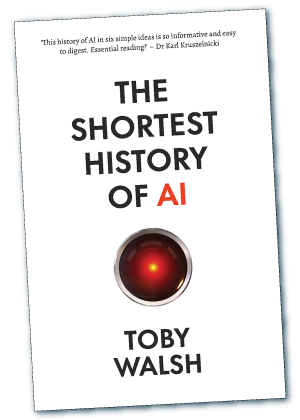
The Shortest History of AI – Toby Walsh
If you haven’t yet discovered the Shortest History series, you are in for a real treat! Brilliant thinkers take massive topics and distil them into lively, digestible reads. Toby Walsh’s take on AI does exactly that. A perfect primer for all of us as we build our intelligent futures.
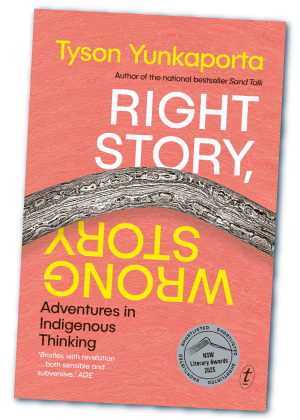
Right Story, Wrong Story – Tyson Yunkaporta
For the many who loved stepping into Tyson’s mind in his first book SandTalk, this will be an obvious choice! Right Story, Wrong Story offers an original exploration of how we teach, learn and think together, inviting us into deeper ways of communicating and imagining that align more closely with land, creation and collective understanding.
P.S. Keep an eye out for these two books to be published in 2026 – Penelope Barr’s Win the Night to Win the Day and Jon Whittle’s AI for Business.
Stay in the loop
To receive updates about AgileAus and be subscribed to the mailing list, send us an email with your first name, last name and email address to signup@agileaustralia.com.au.
Paramedicine, like agility, is a team sport
Big thanks to guest blogger Caidyrn Roder who has shared his unique perspective alongside his paramedic co-speaker (and uncle!) Nick Roder, at AgileAus – not once, but twice.
Ambulance Victoria employs over 5,000 paramedics to provide emergency health care across the state. These paramedics are all trained to work outside of the hospital environment, which means that they have no defined workplace, limited managerial oversight and they are often remote from support.
And yet their performance is nothing short of remarkable. In 2023 – 2024, they attended over one million incidents. And 97% of patients surveyed reported that their experience was positive, and that they felt safe and cared for1.
So when I learned about this, I got curious. How do they collaborate? How do they deal with the complexity? And what can we borrow from them to improve how we work in organisations?
So, the question you need to ask yourself is this: Does your organisation work with its people or against them?
In my opinion, the answer for many organisations is that they unintentionally work against their people.
I believe that we can learn from paramedicine, adapting the techniques that they use to create high-performing teams. Once we accept that people are our delivery system, we can work with them them by doing the following 4 things:
Design processes for humans
Paramedics deal with cases that range from interhospital patient transfers to accidents to search and rescue. They have complex protocols and procedures which they have to perform under pressure. They work with people that they may have never met before. And all of this in challenging environments like accident scenes, remote areas or residences with access issues.
In response, paramedics have developed a range of tools that provide a systematic approach, constructed in a way that recognises that they will be deployed in a range of contexts while keeping the needs of patients and paramedics at the centre. In other words, they design processes for the humans who are involved.
Consider your organisation for a moment. I’d wager that you also have to deal with complexity. Do you have processes that don’t serve the people who use them? Or aren’t documented? Or are documented but not followed? The insight that I think we should take from paramedicine is that processes that are not designed for humans, will not be used by humans.
The good news is that there are simple steps that you can take to design processes for the humans in your organisation.
- Listen to your people – Talk to your teams. Talk to your people leaders. Talk to your executives. Listen carefully to understand the current context, what’s working well and where there are opportunities to improve.
- Involve the people who do the work – The people who understand the work and the environment are the best ones to (re)design the processes. So make sure that you involve them. Better yet, empower and support them to continuously improve the processes themselves.
- Prioritise simplicity – When you’re designing process changes, challenge yourself to make them as simple as possible. Could you have fewer steps? Do you really need to involve all of those people in a decision? When faced with a choice, prioritise creating a simple process that covers 80% of cases over a complex one that covers 100%.
- Continuously improve – I hate to be the one to tell you this, but you won’t get your processes right the first time (or even second, third or fourth). So build in continuous improvement from the start by creating an environment that encourages your people to continuously try new ways of collaborating.
Create a just culture
Continuous improvement is not just important for paramedics, it’s non-negotiable. For them, raising concerns can lead to valuable changes in practice that improve outcomes for patients and paramedics. This is only possible in an organisation that both makes it safe for employees to speak up, and is prepared to listen.
In other words, continuous improvement is about much more than just processes and tools. You can’t simply tell teams to do retrospectives or to implement tools like lean A3s and leave it at that. To unlock the true power of continuous improvement you need to create a culture where people are comfortable talking about and learning from their mistakes. A culture where people are empowered to change the way they work and to challenge existing practices.
Paramedics call this a just culture. A just culture means that people are able to raise concerns, mistakes or challenges within the organisation in an environment that treats employees with due respect. A just culture recognises that human error is inevitable and that complex systems designed by humans will fail2. There is shared accountability between the organisation (the system) and the individual when things go wrong.
In a just culture, you don’t blame or punish individuals when their actions or decisions are commensurate with their experience or training. Instead seek to understand the broader context for their actions so that you can identify improvements. This is not the same as a no-blame culture. People are still held accountable for their actions, and negligence and willful misconduct are not tolerated.
There are 3 simple things that you can do to foster a Just Culture in your organisation3.
- Support the people involved – When something goes wrong, your first priority should be to support the people involved. Making a mistake is rarely a positive experience, however a supported employee is more likely to resolve their experience productively and learn and grow as a result. They are also more likely to talk about mistakes in the future.
- Manage your biases – Give people the benefit of the doubt by assuming that they set out to do their best and achieve a good outcome. When someone makes a mistake, put yourself in their shoes to ensure that you are empathetic to them. Try asking yourself this question: Could another person with similar knowledge and experience make the same decision in the same situation?
- Consider the system – Rather than focusing solely on individuals and their actions, you need to recognise that they are working within a broader context. Remember, a Just Culture recognises that there is shared accountability between the organisation (the system) and the individual when things go wrong. So ask: What aspects of the system contributed to the actions they took, and the decisions they made? Why did it make sense to them at the time?
Foster civil interaction
There is a growing body of evidence in both medicine and business that rudeness and incivility undermine team effectiveness. In their 2015 study, Riskin et al concluded that “not only does rudeness harm the diagnostic and procedural performance of [medical] practitioners, it also seems to adversely affect the very collaborative processes that might otherwise allow for teams to compensate for these effects”4. In other words, incivility affects both an individual’s cognitive abilities as well as their ability and willingness to collaborate with and help others.
Incivility includes overt behaviours like mocking, teasing or insulting. Or yelling, slamming doors, or talking about people behind their backs. It can also be more subtle behaviours like responding to emails in a meeting, not smiling or acknowledging others when you pass them in the hall or not listening when someone is speaking to you.
Importantly, perceptions of incivility can vary from person to person. What one person finds rude, might be totally acceptable to another person.
Incivility is a common cause of stress in the workplace. For example, given that paramedics often work in traumatic circumstances you might expect their main cause of stress to be the work itself. However, they often report that how people behave has a larger impact on their stress levels.
Rudeness can also lead to reduced creativity, lower productivity, increased absenteeism, lower quality of work and in the worst case, employee churn and damaged customer relationships.
Interestingly, the impact is not just on the person on the receiving end of the behaviour. People observing uncivil behaviour are also impacted. So, if a team lead is rude to a team member in a meeting, the whole team’s performance may suffer as a result.
The implications for organisations are profound. Fostering civil interaction not only supports staff wellbeing, but it can also improve team effectiveness. So what can you do to foster civil interaction in your organisation?
- Model good behaviour – Be conscious of how you interact with your colleagues and hold yourself to a high standard. Avoid mocking, teasing or insulting people. Even if you think that it is “good natured” it’s possible, even likely, that others don’t see it that way.
- Ask for feedback – Feedback is a good way of monitoring how you’re doing. It helps you improve by giving you other perspectives, and it builds psychological safety and encourages a growth mindset in those around you.
- Establish team or company norms – Norms are an agreed set of behaviours that are acceptable in your context. They help you be clear about what behaviour is expected and what won’t be tolerated.
- Take bad behaviour seriously – Organisations who don’t address rude behaviour often pay the price. When leaders ignore bad behaviour, they are giving their implicit approval of the behaviour. Staff stop reporting incidents because they feel that nothing will be done. The behaviour continues unabated, stress levels increase and often the simplest solution for staff is to quit.
- Include civility in recruitment and employee training practices. Look out for indications of rude behaviour in interviews. Get multiple perspectives by involving team members in the interview process. Make people aware of the concepts and the impact in training
Manage your authority gradient
Authority gradient is a concept borrowed from the aviation industry and adopted by medicine and paramedicine. It refers to the established, or perceived, command and decision-making power hierarchy in a team or organisation5. It is the status difference (real or perceived) between 2 or more people in a team.
At one end of the spectrum, an extremely steep authority gradient is where an individual holds all of the power. An example is a team lead who has a controlling or prescriptive management style – “it’s my way or the highway”. Team members are expected to do what they’re told and not ask questions or express opinions. This results in fewer perspectives and ideas, reduced communication and collaboration, lower team engagement and an environment where feedback is not given freely.
At the other end, an extremely shallow authority gradient is where everyone’s opinion is valued equally on all topics. There is no difference between experienced senior team members and more junior ones. Everyone’s voice is heard and feedback is given freely, but decision-making may be slow and/or poor and responsibilities may be unclear.
Studies show that getting authority gradient wrong can have disastrous results. I’ve seen the impact on teams and organisations myself. I once worked with a team developing a proof of concept for a new digital product with the primary purpose of learning what users wanted. The cross-functional team was talented and experienced, but they were hamstrung by a leader who had an authoritarian leadership style and a fixed view of how things should be done. The team did not feel safe to suggest a better approach, so they followed the leaders directions slavishly. The result was a lot of wasted money and effort and very little learning.
Authority gradient is also particularly important for work on complex problems (i.e. most of the work we do in organisations), because this entails a high degree of uncertainty and risk. In organisations we often have to make decisions based on incomplete information, under conditions of high uncertainty and risk, where there is no obvious right or wrong answer, where people hold conflicting opinions and decisions and actions are only proven right or wrong by the results they achieve.
Interestingly, the concept of managing an authority gradient challenges traditional views on leadership. All paramedics can be both leaders and followers, adjusting dynamically depending on the situation. For example, it’s not uncommon for the first crew on an accident scene to retain the leadership role, even when a more senior paramedic arrives. They may even enlist that more senior person as a ‘follower’, leveraging their skillset to get the best outcomes for their patient.
Being a follower does not mean passively following orders. In high-performing teams, followers anticipate the next step, offer different perspectives and solutions and demonstrate initiative.
There is no single “correct” authority gradient for a team or organisation. It changes based on circumstance. The most effective teams are conscious of their authority gradient and have protocols in place to adapt it dynamically. So while there is no one-size-fits-all approach, there are some heuristics that you can use to determine what is appropriate for the circumstance.
- Shallow authority gradient – Well-suited to dealing with complex problems. Creates a space where team members feel safe to contribute ideas, ask questions, challenge each other and debate solutions. A shallow gradient also helps to create a learning environment because people are more likely to give feedback and share learnings when things go wrong.
- Steep gradient – Appropriate in times of crisis, when fast decisions made by an experienced leader are more important than getting a range of perspectives. Be careful not to maintain a steep gradient for extended periods of time as this often makes teams less productive and reduces learning, morale and engagement.
Conclusion
Paramedics consistently achieve remarkable results in high-pressure, complex environments because they understand that people are their delivery system. Organisations seeking to emulate this level of performance can draw profound lessons from the field of paramedicine. By designing processes for humans, organisations can empower their workforce to operate efficiently even in complex scenarios. Furthermore, cultivating a just culture that not only tolerates but actively encourages learning from mistakes is paramount. This creates an environment where individuals feel safe to speak up, share insights from failures, and continuously improve, rather than hiding errors due to fear of blame. Promoting civil interaction within teams is also crucial, as incivility erodes trust, impairs cognitive function, and undermines collaboration. Finally, consciously managing the authority gradient – adapting it dynamically to the demands of the situation – allows for optimal decision-making and leverages the diverse expertise within a team.
Ultimately, investing in these human-centric principles will not only improve internal processes; it will unlock the full potential of your people.
Stay tuned for more information on AgileAus26 – we cannot wait to gather with curious minds and rethink the way we work and live!
2 Safer Care Victoria, Just culture in adverse event reviews factsheet, accessed 30 Sep 2024
3 Safer Care Victoria, Just culture guide for health services, accessed 30 Sep 2024
4 Riskin et al, 2015, The Impact of Rudeness on Medical Team Performance: A Randomized Trial
5 Skybrary, Authority Gradients, accessed 27 Nov 2024
Stay in the loop
To receive updates about AgileAus and be subscribed to the mailing list, send us an email with your first name, last name and email address to signup@agileaustralia.com.au.
There’s a New Kid on the Agile Block — FAST Agile
Fluid Scaling Technology (FAST Agile) fills the gap for a purely complex Agile method.
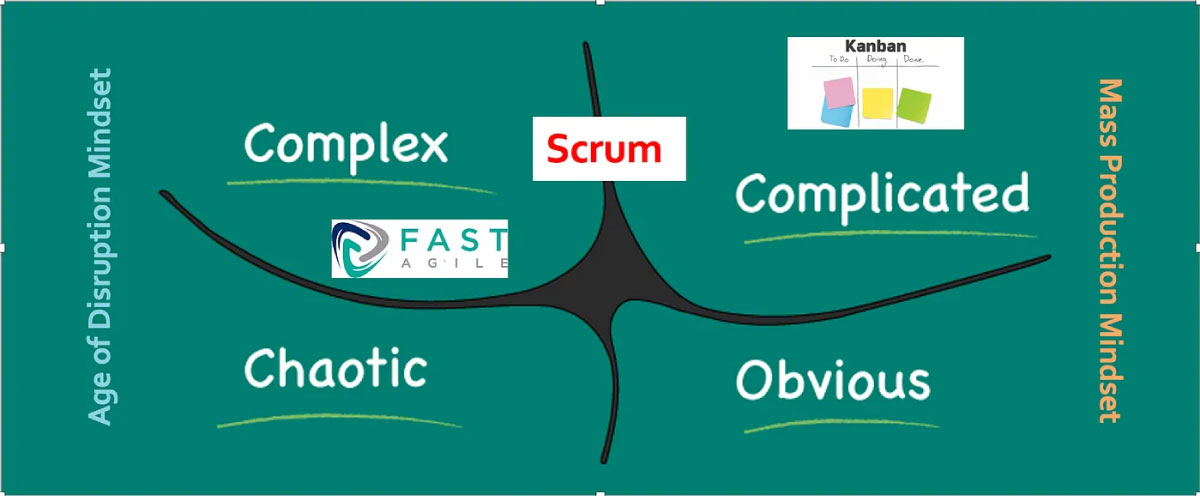
Agile methods mapped onto the Cynefin Model
In this 2018 interview, What’s Next for Agile with Dave Snowden, Mr. Snowden predicted the birth of a purely complex Agile method. Enter Fluid Scaling Technology (FAST).
I am not going to describe the difference between complicated and complex here. If you don’t know, go look it up. In fact, if you don’t grasp this concept well, stop reading now. Nothing past this point will make sense to you.
In the aforementioned interview, Mr. Snowden will place Kanban in the purely complicated zone and Scrum in the liminal zone between complex and complicated. Scrum and Kanban people tend to disagree with this placement, but I think Mr. Snowden is correct in his assessment.
FAST is different. FAST sits firmly in the complex domain very near to the border of chaos. In fact, it may be in the liminal space between Chaos and Complex.
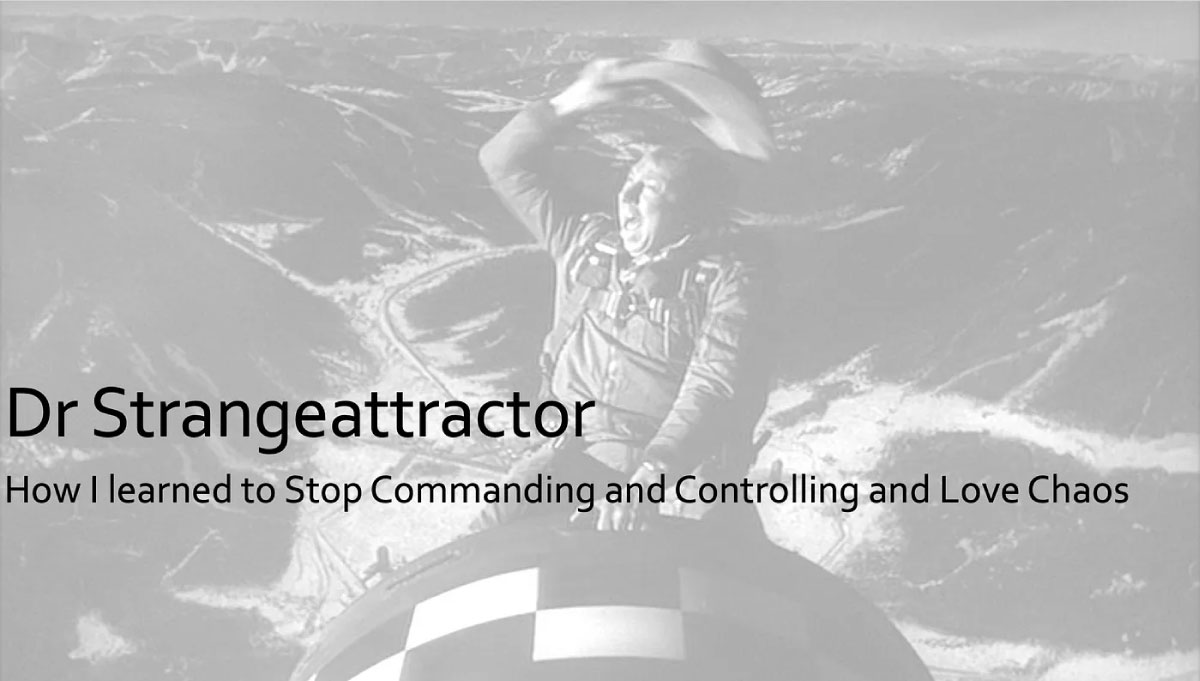
If you think chaos is bad, then you are where I was before studying chaos theory. With my new understanding, I think the word chaos is misused. Where most people say things like “it was total chaos”, they should really say — it was total disorder or anarchy. Chaos can give birth to spontaneous natural order and is where innovation typically happens. Once you understand chaos, it is your friend and a very powerful ally when you know how to harness it.
What is FAST?
FAST combines Open Space with Open Allocation. FAST in five bullet points:
- Merge teams into a collective
- Throw work on the wall
- Let teams emerge and self-organize around work
- In two days, meet back and share progress
- Repeat
About as clear as mud? Best to go and look at the FAST Website to get a better description.
Fluid Scaling Technology or FAST, or FAST Agile is (amongst other things) an Agile method and a scaled one to boot — scaling is built in. FAST may be a little ahead of its time and requires certain conditions to work. But that was true of scrum and any Agile method at the turn of the millennium also. How we worked and looked at work had to change before Agile could be accepted as mainstream. The industry must undergo a similar paradigm shift for FAST to become mainstream. I see the Teal movement as the beginning of this paradigm shift. In fact, FAST is as much a Teal framework as it is an Agile.
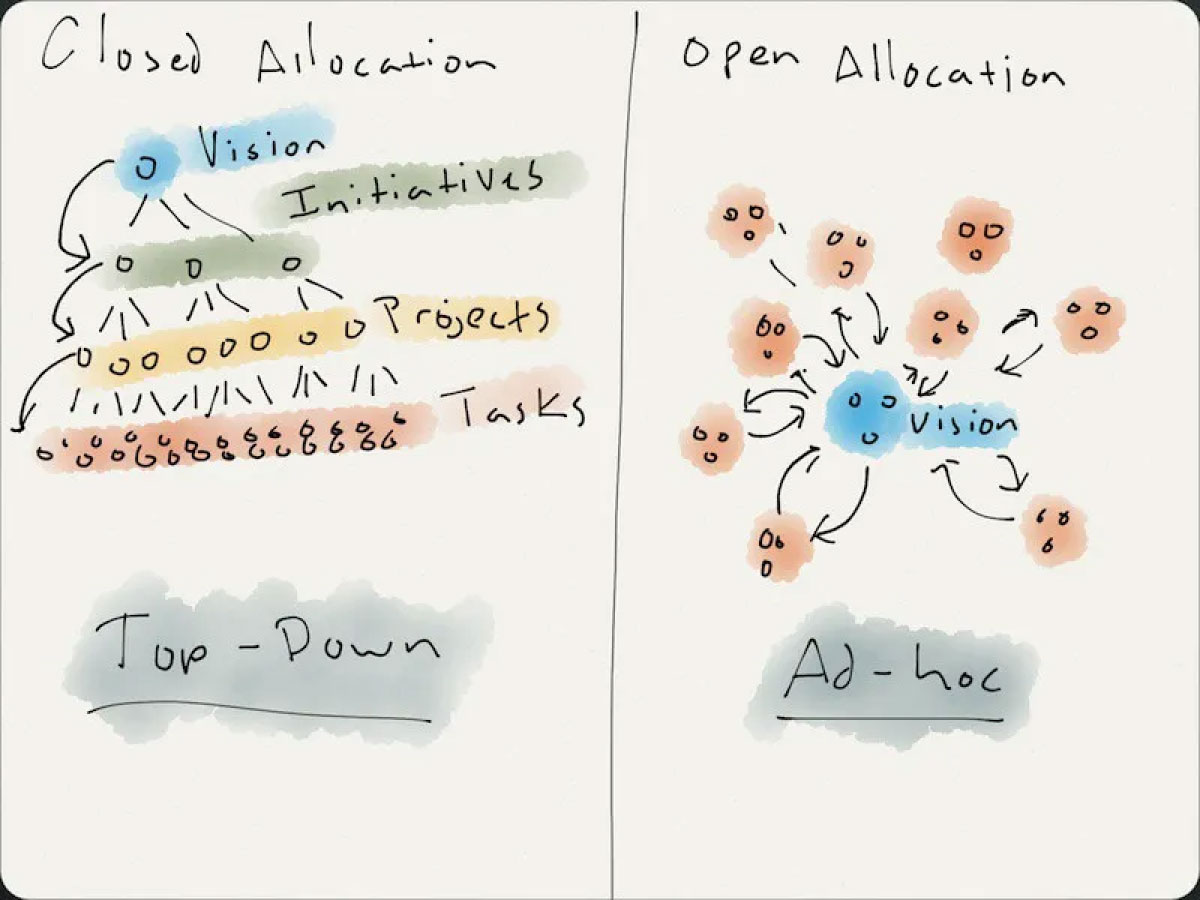
The image is from a great article — Organise your venture like the best tech firms. A case for open allocation by Tudor-Nicolae Birlea
Problems That FAST Solves
1 — FAST is a pure complex system. The world has changed a lot in 20 years since scrum became popular and the Agile manifesto was born. We are in a more complex world and need systems to match. FAST was made in and for the age of Disruption. It is a complex system ideal for solving complex challenges. In a VUCA world, complexity has become the new normal. Before FAST, all scaling Agile models were complicated in nature. The Cynefin model teaches you that you tackle complex with complex. Complex systems are non-deterministic and non-reductionist.
2— Designed to not decay to mediocre/zombie/flaccid/dark Agile.
3 — Agile focuses heavily on delivery and is not set up for discovery. You can understand, given that when Agile was born, Lean Startup was not a thing yet, and modern Product Delivery was not even in its infancy.
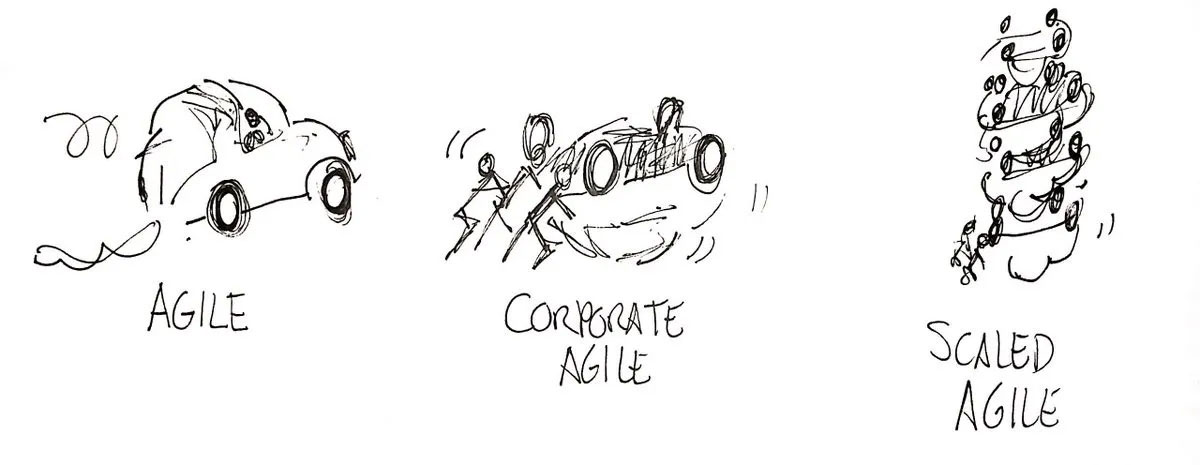
Differentiators
- FAST is not built on scrum or Kanban. It is its own method inspired by Open Space Technology (OST).
- FAST scales itself. It is fractal.
- Fluid Teaming is baked in. (I highly recommend Heidi Helfand’s book Dynamic Reteaming.)
- Lower cost of ownership
- It is resilient to command and control and micromanagement imposition.
- FAST is set up for discovery as well as delivery.
- FAST creates a network/lattice organization instead of a command of teams.
- FAST is as much a Teal framework as it is an Agile. (I’m not going to explain Teal here. Go and read my blog on Teal is the New Agile for that explanation.)
FAST Origin Story
I am the creator of FAST. I didn’t set out to create an Agile method; it kind of found me. All we really did was repurpose an existing technology — Open Space Technology (OST). Mr. Snowden calls this exaptation, a term from biology. You may have noticed I switch from me to we. That is because FAST evolved when a group of us collectively did it. It emerged and evolved — and I hope will continue to do so as others experiment with it.
After the very first presentation of FAST at a conference in 2014, a gentleman came up to me and said –
“This is brilliant! FAST is a complex adaptive system. I wish I knew about FAST a year ago before my company attempted Agile at scale model $@&# which was a total nightmare.”
I had to go and look up what a complex adaptive system was. This was a new concept. I did not purposefully create a complex adaptive system, that was already in there. But because FAST was built on OST, and OST is a complex adaptive system, complexity came for free, so to speak. I continued my study into Chaos Theory and Complex Adaptive Systems. The Cynefin model gave me a great framework to make sense of these new concepts. I read and watched much of Mr. Snowden’s material. This was when I stumbled across the aforementioned What’s Next for Agile with Dave Snowden video. The diagram I have created above is a visual of what Mr. Snowden is explaining that I put together.
If you want to find out more about FAST, check out the website fluid.scaling.tech. You can read about the evolution of FAST on the Agile Alliance website in a case study titled Self-Organization Eats Agile at Scale for Breakfast.
This blogpost was originally posted on Quinton’s blog, in August 2024 Quinton will deliver a keynote presentation and workshop at AgileAus24. You can find out more and register at agileaustralia.com.au/2024/
Stay in the loop
To receive updates about AgileAus and be subscribed to the mailing list, send us an email with your first name, last name and email address to signup@agileaustralia.com.au.
How applying behavioural economics can (and should) increase your product outcomes tenfold
My lightbulb experiment in 2017
As Jeff Patton noted, ‘focusing on product outcomes will shift you to a product mindset’.
I’ve become convinced through years of applied experience that behavioural economics can (and should) produce 10x the outcomes and create scalable learning to the rest of your products.
I was fortunate to work with some leading academics including Harvard and CBA’s Behavioural Economics Team tasked with applying the latest research to help customers make better decisions.
Up until then I’d held individual and leadership roles, accountable for – amongst other things – digital sales, service, retention, customer experience and digitisation. This involved digital delivery and running experiments across platforms. The experiments were the ‘vanilla’ kind where intuition based ideation would add a ‘call to action’, visual designs change or reminder messages for customers. Only later, did I realise many of the missed opportunities.
2017 gave me a lightbulb moment which changed the trajectory of my career.
It convinced me that applying behavioural economics could (and should) increase measurable outcomes tenfold and produce deep, scalable learning. It also led me to complete a Masters in Behavioural Economics at the University of Technology, Sydney.
The short version of the long story is this.
For many years, Professor Ryan Buell from Harvard along with his colleagues had conducted deep research into the customer and business benefits of transparency.
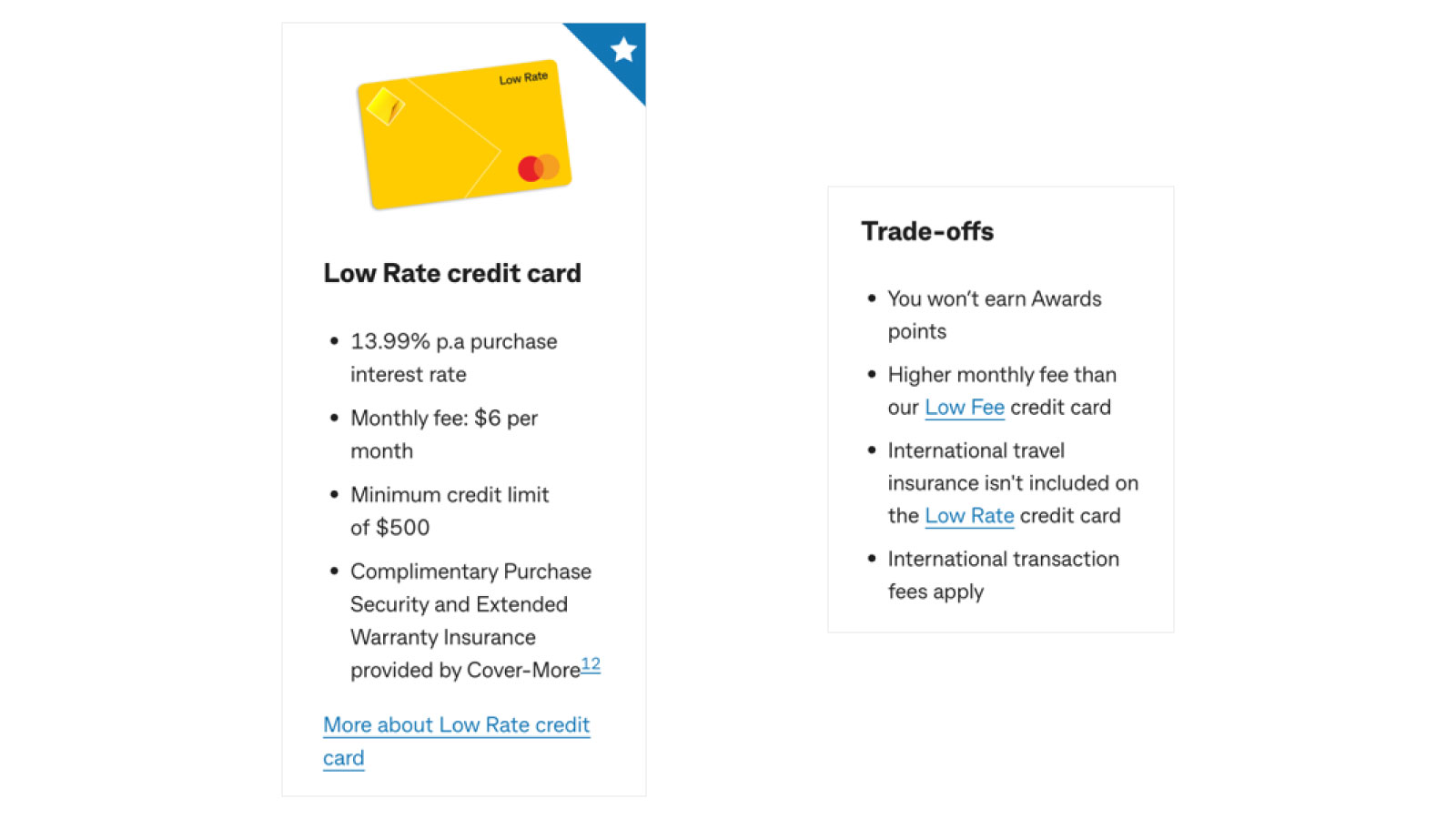
In partnership, I helped lead a scaled experiment to 400,000 prospective customers that highlighted downsides between different credit cards, rather than just the traditionally emphasised features and benefits.
This could be considered counter-intuitive and opposed to conventional wisdom which suggests to emphasise product benefits.
The result?
As the Australian Financial Review put it:
“CBA customers given more transparency about their credit cards exhibited higher-quality service relationships over time and had monthly spending 9.9 per cent higher.
Their cancellation rates were 20.5 per cent lower than those who were not told about trade-offs between different products.”
The experiment insights were profound, for many reasons including:
- Measure deeply & experiment, otherwise you’ll miss profound impacts
- Doing things that are having impacts which you are not aware of
- Good intentions & intuitions are wrong half the time (you just don’t know which half)
- If you have a clear theory it will increase your chance of success
- It is possible to drive customer & business outcomes together
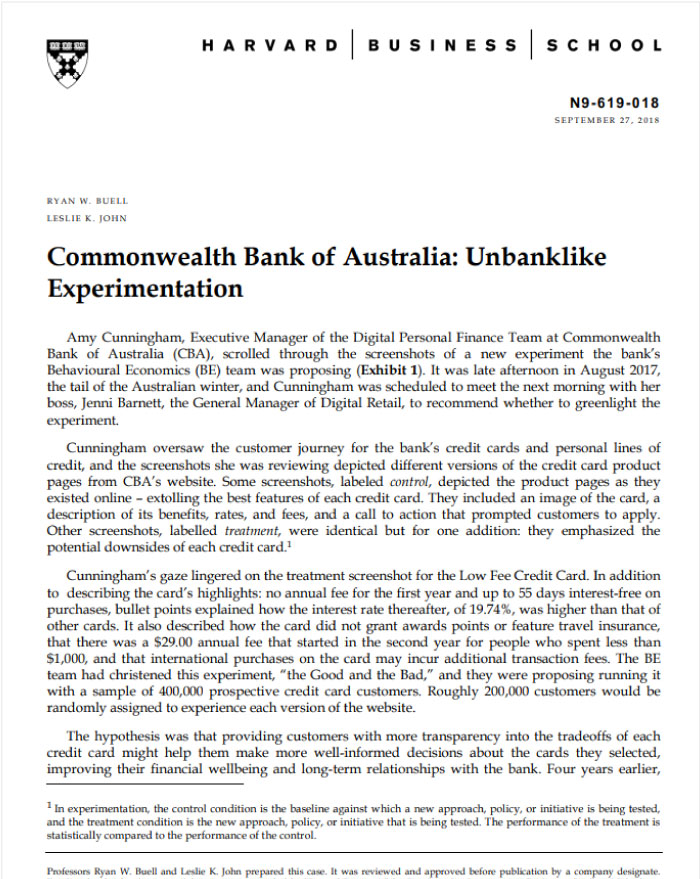
This experiment was subsequently published as a Harvard Case study and opened my eyes to the power of applied behavioural economics.
Naturally this raises the question…
What is behavioural economics (and why is it so important)?
What is behavioural economics? Here is a simple explanation.
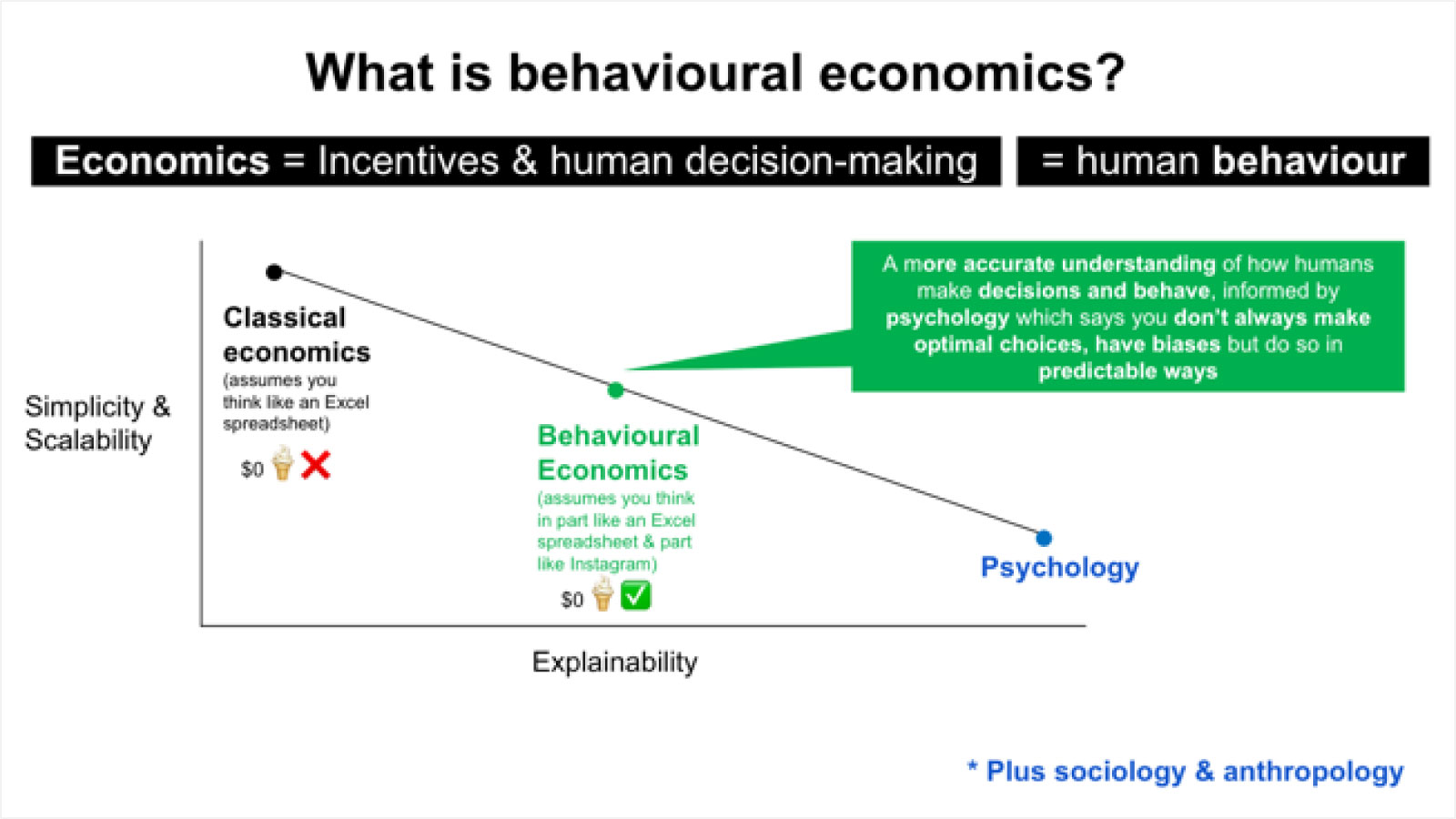
Economics is the study of how people decide (and behave) when there is uncertainty and scarcity.
Classical economics assumes people are kind of like an Excel spreadsheet:
- Rational and self-interested
- Aim to maximise satisfaction
- Have perfect information
- Make each decision independently
- Preferences are consistent and predictable over time
But in the 1970s, psychologists Daniel Kahneman and Amos Tversky showed through various studies and experiments that people often rely on biases and heuristics (mental shortcuts) in making decisions which weren’t accounted for in classical economic predictions.
In other words, people are kind of like an Excel spreadsheet, and kind of like the Instagram app.
So, the behavioural economics revolution began.
But what does this look like in actual, real life?
In real life…
Consider this.
With an average person spending $5 per day for coffee, why might a free scoop of ice cream (equivalent in price) cause queues?
For example, here is a scene I captured when a free scoop of gelato was being given away.

In 2013 to celebrate Dubai’s announcement as the host of Expo 2020, Baskin Robbins announced free ice cream between 1-3pm, causing an “ice cream mob” across the city

Rationalistically, it doesn’t make sense.
Ice cream was freely available for a modest price (a similar price to a daily coffee which 50% of people freely spend) but dropping the price to $0 had a disproportionately large effect.
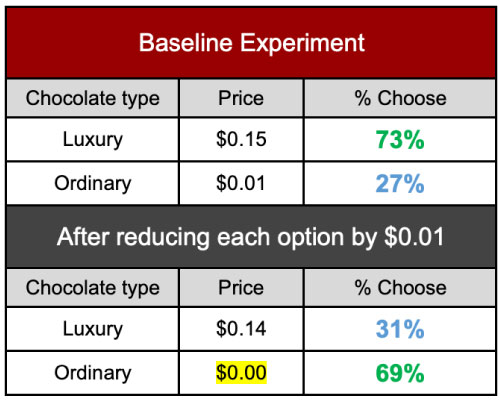
This effect was observed in a lab experiment, participants were given the choice:
- Luxury chocolate for $0.15
- Ordinary chocolate for $0.01
The portion who chose luxury chocolate? 73%
However, when each price was lowered by a measly $0.01, the options became:
- Luxury chocolate for $0.14
- Ordinary chocolate for $0.00
The portion who now chose luxury chocolate? 31%
The preferences almost entirely reversed…over a single cent!
Here is a table which shows the contrast.
How does this apply to product?
How can (and should) behavioural economics 10x your product?
In a product-led approach, what is a product?
A product is an offering that solves a specific need for customers while solving business and technology problems.
For the purpose of simplicity, this simple Jeff Patton diagram shows the connection between customer outcomes and business impact for a product.
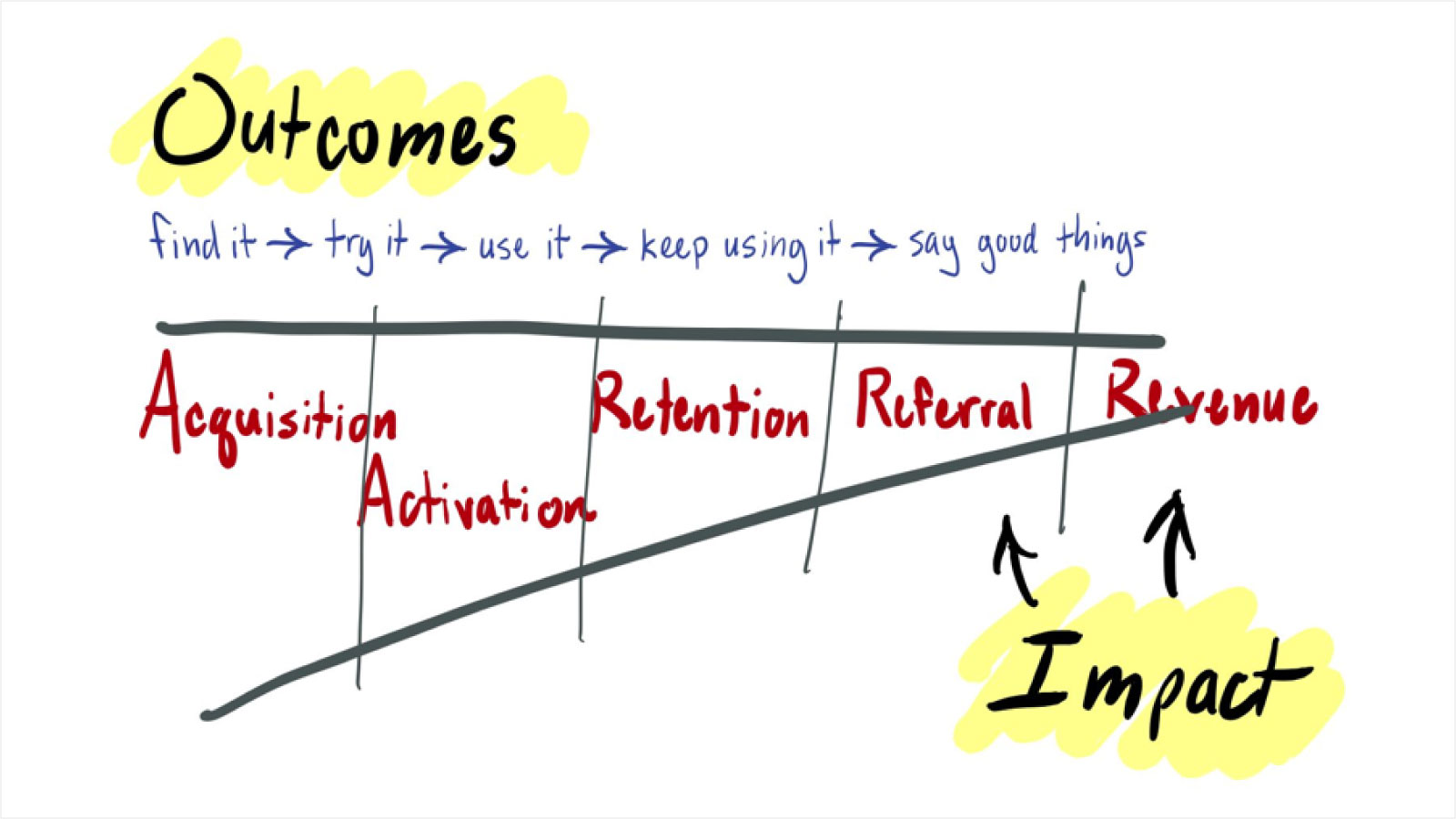
So, product is seeking to help customers:
- Find the product
- Try the product
- Use it
- Keep using it
- Saying good things about it
By having a more accurate understanding of how people actually make decisions and therefore behave will help drive those customer behaviours.
This is where the product, outcomes, experimentation and behavioural economics converge to make magic.
Stay tuned for the next blogpost in this series to explore how to apply behavioural economics (and know if it worked)…
NEXT POST
A practical way to apply behavioural economics now (and how to know if it worked)…
Stay in the loop
To receive updates about AgileAus and be subscribed to the mailing list, send us an email with your first name, last name and email address to signup@agileaustralia.com.au.
The Eavesdrop
Paying attention to these small signs and cues can bring ease to our relationships at work. It also helps us gain important information – especially when we are new to a job – of what is going on, what is expected and what is not.
The eavesdrop is at risk for those who can do our work from home and increasingly do. The pandemic-led flexibility has continued with many workplaces still enabling it, and in many cases embracing the WFH culture. Almost one-third of those who are able to, now work from home on a regular basis.
There are lots of benefits to working outside the eavesdropping bubble! You’re able to concentrate solidly on what needs to be done with no open-plan interruptions from a colleague’s loud telephone conversation, another happy birthday singing, or just a silly question that breaks your train of thought. You don’t have to grapple with public transport or traffic or parking. You don’t have to find matching shoes or an umbrella. And you save heaps of money not forking out for all those things (and for some, the extra childcare costs if you have to pay someone to look after your children during your commute time!).
But I confess that I miss the eavesdrop. I look back and see how well the eavesdrop has served me over the years. All the time it’s dropped information to me that I did not even know I needed – and I did!
The eavesdrop is dying out because so many of us are remote a lot now. The best part of an eavesdrop is its randomness and unpredictability. You cannot plan for an eavesdrop; you cannot recreate an eavesdrop and you cannot dictate what it will reveal.
When I work from home, I think about me! I think about my needs and quite often (a little too often!) about the needs of my family (washing out, quick wipe of the bench – you know the sort of thing!) How do we know what the needs are of those we work with when they are out of sight? When every exchange has to be planned, scheduled, remembered? Do we build our EQ when nothing much happens out of the ordinary? No one breaks into tears into our office, no one is caught smoking in the bathroom or laughing over some text they just received? These spontaneous moments are what build our emotional muscles, they build our relationships with our colleagues and even though they don’t currently equate to ’productivity’, I would suggest they make work more connected and more fulfilling and this might be the key to long-term productivity and connection in our lives.
In my role championing the Agile Australia community, I’m often asked about working from home. My view is that we are all still living in one big experiment! While Agile people love experiments, they also love small steps and some level of planning. For the record, this has been one GIANT step – an experiment that was not of our choosing or design. Overnight all of us had to find the space and aptitude for Zooming and devise ways to keep in touch with colleagues.
My hunch is that if we had designed this experiment we would have done it in a much slower way, building in steps for measuring and reviews. Five years from now, we might know what the effect has been on those who started their jobs without meeting their colleagues IRL – and for those who were let go via email. We might know how it affects people who live in small apartments on their own, building great tech, but not developing great friendships through their work.
Like everything in this world, it seems, the discussion about working from home has made people feel like they need to take sides. In our hearts we know the answers are ‘it depends’ and ‘let’s wait and see’.
Before we declare our sides on this experiment we need to remember it is an experiment, albeit one forced upon us! For better or worse, the jury is still out on how our places of work might evolve. All I know is that whenever I am at my home desk, I long to eavesdrop.
Stay in the loop
To receive updates about AgileAus and be subscribed to the mailing list, send us an email with your first name, last name and email address to signup@agileaustralia.com.au.
A pulse check of the Agile Australia community
As one of the event sponsors for AgileAus23 last week, we at TeamForm wanted to use the event to learn from the community by getting a pulse check of the challenges we’re experiencing today and which agile practices, processes and tools are actually making a positive impact.
To help us do this, we set up an informal research wall where people could visit and share their own perspectives, observations and experiences. Across both days, more than 100 people stopped by – thank you to everyone who participated!
In this blog post, we’ll share what we learned. We know this research is imperfect, but we hope it will provide some insight into where we’re at as a community, and how we can best focus to overcome the challenges we’re experiencing.
The challenges in the way of growing agility within our organisations
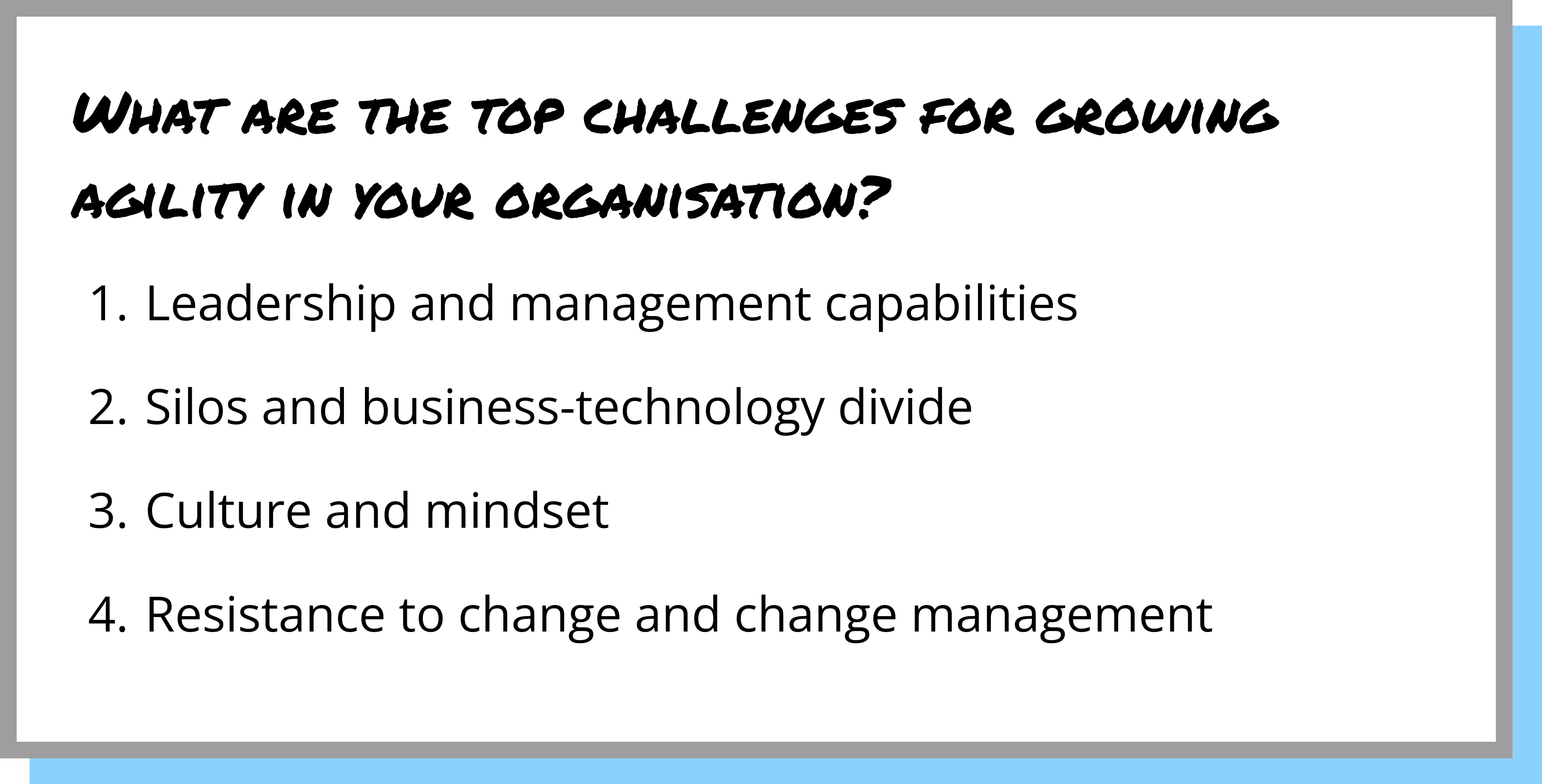
The biggest challenge was around leadership, which trickles down into organisational culture, mindset, and a resistance to change.
With so many organisations already well along their agile transformation journey, the biggest challenge that the AgileAus community identified was around leadership and management capabilities, with a specific call out around “leaders expecting teams to change, but not being open to changing themselves”. This aligns well with global trends identified in the 2022 Business Agility Report.
This mindset trickles down into the rest of the organisation, creating cultures that are “too busy to change” and leaders having a “desire for change, but not wanting to let go of power and control.”
The next set of challenges extend beyond the team into the organisational level: silos, the business-technology divide, and having a clear vision and strategy.
The adoption of agile across organisations is disparate, leading to siloed pockets that are working in different ways with different mindsets. This was observed in the product development flow itself (e.g., “different codebases and different repos across the organisation, making it harder to collaborate with other business units”) and challenges with different paces of change (“we’re trying to move faster than the organisation can absorb”, “we’ve moved into a new model but tech hasn’t changed”).
When strategy and priorities aren’t clear, it can lead to real challenges for teams in having to balance “growth in scope (due to lack of prioritisation), with delivering decreasing quality and value”.
The practices, processes or tools that are actually making a difference
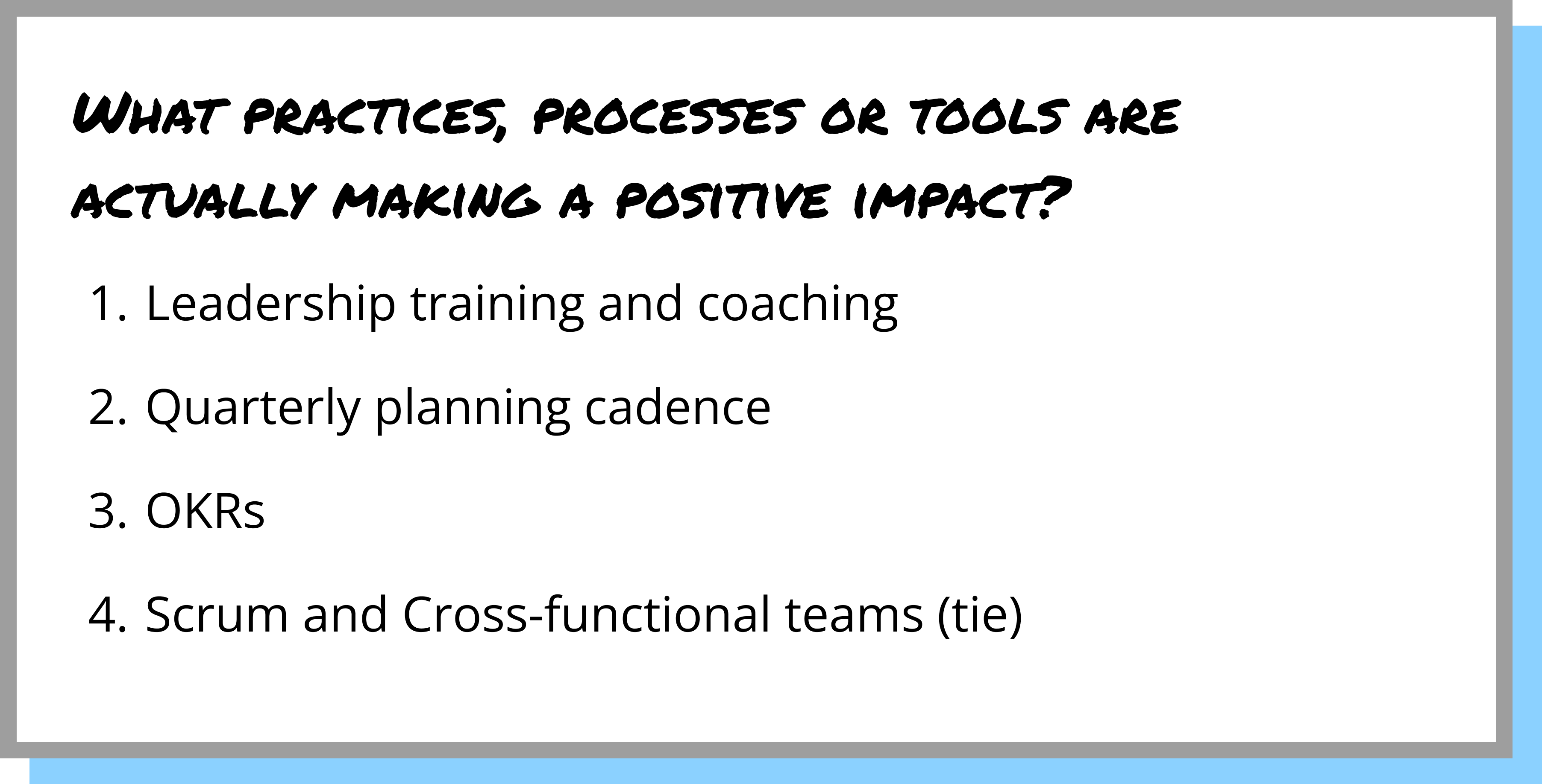
Enabling leaders through training and coaching creates a high-impact ripple effect that spreads throughout the organisation.
We know “leadership capabilities” was cited as the community’s biggest challenge, so it should come as no surprise that it’s also the area of highest positive impact. Whether it’s through more 1:1 coaching, or specific training programs dedicated for leaders (e.g., “multi-day training programs specifically for the Director level”), we heard that investing in supporting behaviour change at the leadership level is a high-impact part of the transformation toolkit.
What “good” looks like here is when “leadership are walking the walk” and they’re able to promote “a growth mindset and create psychological safety” and “support for experimentation”. When priorities are clear from executive leaders, it makes it “easier for teams to say ‘no’ to stuff”.
The AgileAus community is using a diverse range of practices, processes, and tools based on the unique context and needs of each team and organisation.
The range of practices was diverse and reflects the extensive toolkit the AgileAus community has to draw from. While we pre-identified a few practices to start our research, the community added a lot of other practices that made a big difference, for example: 1-pagers, creating a repository of knowledge/documentation, roadmaps to align on priorities, and even more individual practices, such as requesting help from teammates (e.g., “asking others for help – do you have a couple minutes?”).
These practices, processes and tools were largely dependent on the organisational context and where each community member works – individual teams, teams-of-teams, and org-wide.
There was some mention of software, but the practices making the biggest impact were around creating shared understanding and alignment across the organisation: quarterly planning cadences, OKRs, and having a shared taxonomy.
While these practices are “really hard” to implement, when done well, it can create clarity across the organisation that tangibly impacts the teams and their work. When clarity doesn’t exist, “it’s the #1 source of friction” and “everything is chaos”.
While high value, there’s still a lot of work to do in improving use of OKRs, with one respondent sharing that “OKRs are really hard – measuring is difficult” and that they’re still trying to “understand the difference between aspirational vs committed OKRs”.
Two things you can do
One thing I’ve been reflecting on since AgileAus23 wrapped is that highlighting challenges is easy. Especially at a conference where you’re surrounded by like-minded people, it’s easy to be open and transparent about what’s holding you back.
What’s genuinely hard is to do something about it. To be brave enough to speak up and to challenge the status quo.
To help provoke some action, here are two things you can do:
Talk to your team. Start the next conversation around the challenges you’re facing and the practices you want to experiment with next. Be the change you want to see in your organisation. Start with these questions:
- What’s working well? What’s holding us back?
- How can we work together to improve?
- What is one practice, process or tool that we believe will make a positive impact?
From there, start small while doing, reflecting, and improving together.
Continue connecting with the community. Reach out to others, share your wins and your failures, and support others who need help. Continue giving back to others, whether through AgileAus, meetups or on LinkedIn.
Like the research? Take 10 minutes and contribute your voice and experience to the 2023 Business Agility Survey, and be the first to be notified when the 2023 report is published.
When we learn together as a community, we all grow. And as Jon Smart puts it, “let’s become the best at getting better”.
Eugene Chung is Product Evangelist and Coach at TeamForm. Learn more about TeamForm here or follow them on LinkedIn.
Making sense of Servant Leadership
“The Scrum Master is a servant-leader for the Scrum Team.”
– Scrum Guide 2017, 2013 & 2011
What I am going to try to do is dig into this idea of servant leadership, and because I am a nerd, I am going to include some of the research findings on the topic. This will not be extensive; hopefully, it will be interesting and a little useful (neither of these is guaranteed).
– R Greenleaf
What is Servant Leadership?
The origin of “Servant leadership” is mainly attributed to Robert Greenleaf (at least the phrase “Servant Leadership” is attributed to Greenleaf, behaving as a servant leader originates beyond Greenleaf, as Greenleaf acknowledged). Greenleaf wrote an essay and a book called “The Servant as Leader” which, among many other ideas, describes his ideas on how to be both a servant and a leader. To be a servant leader, according to Greenleaf, you start with a natural feeling to serve, and because of this, you try to ensure the highest priority needs of others are being served. Those who “follow” a servant leader (i.e. have a servant leader leading them) will find they grow as people; they “become healthier, wiser, freer, more autonomous, more likely themselves to become servants.” This result for followers also becomes the criteria for choosing a leader to follow, if the leader builds up their followers, they are a better leader to follow.
Servant leadership’s goal or focus is the needs of their followers (in servant leadership these are the people the servant leader serves). The servant leader knows that the needs of these people have many dimensions and are unique to each person. So servant leadership is not about serving an undifferentiated mass of others; it comes with an acknowledgement that people are unique and to be valued. Leadership styles often promote the development of followers for the good of organisation performance, where the follower is a means to an organisational end. However, servant leadership is focused on the follower’s development as the end in itself. This brings a change in action for the servant leader from self-centred to other-centred behaviours. Note that “self-centred” does not necessarily mean selfish, instead this self-centredness is about working to advance your ambitions; the other-centred behaviours are where your ambition becomes to advance the goals or agenda of those you serve. This does not mean as a servant leader, you are servile or obsequious; neither does this mean you are deferential to everyone. Your efforts to serve others do not mean you are the one who does the work that no one wants to do. This may be so for a while, but how does this help those you serve become more autonomous? Perhaps doing this work makes others dependent on you and stops you from attaining the primary goal of servant leadership, which is the growth of others?
Notwithstanding this focus of the servant leader on the people they are serving (leading?), the servant leader is also a steward who sees themself as entrusted with an organisation’s resources and seeks to grow these. The servant leader wants sustainable, long-term performance that does not sacrifice people for short-term gains. This stewardship applies to the people you work with as much as the resources you are entrusted with. Here you are interested in the growth of the people in the organisation to become stewards themselves, stewards for the organisation, stewards of their own growth and stewards for the development of their colleagues.
But does this work? Is there any reason to imagine this idea of serving and leading could come together in a way that has any measurable or material outcomes?
Why Servant Leaders?
The research on servant leadership took a while to grow, with very little peer-reviewed work before the mid-1990s and the real growth in research from the mid-naughties. There are now studies from around the world and a multitude of industries.
Pro-social behaviours have been observed in followers of servant leaders. These are the behaviours we should expect to see demonstrated by servant leaders and followers because servant leaders would be enacting these and encouraging followers to do so too. The academic term for this is Organisational Citizenship Behaviour and this is where an employee voluntarily goes beyond what they are contractually obliged to do at work (the opposite of the “it’s not my job” attitude). Followers of servant leaders display these behaviours in many ways, including; collaboration, assuming leadership responsibilities, and being more proactive. As well as these behaviours, followers of servant leaders have a greater engagement at work, job satisfaction, perceive their work as more meaningful, are less cynical about their jobs, are less bored and less likely to be thinking about changing jobs. Followers of servant leaders are also more likely to be willing to take on changes at work and be more committed to the organisation. And it looks like servant leadership supports the psychological basic needs of the followers. (What are these? The stuff from Drive by Dan Pink.) There’s a multitude of goodness that has been demonstrated to be related to servant leadership.
Who cares about the touchy-feely stuff? Does servant leadership mean people produce more stuff? (Am I being ironic? I can’t tell).
Well, yes, there looks to be positive relationships between servant leadership and performance. And this is performance measured at multiple levels. The performance of individual staff members was found to have a significant relationship with servant leadership at a technology company in Canada and for sales staff in Chile. Servant leadership effect on team performance was found to be significant with cosmetic salespeople in South Korea, in team simulations in the USA and Scrum team effectiveness in South Africa (phew, imagine if that were different, it’d be a tough result for the agile world). At the organisational level, performance and servant leadership had a significant relationship in midwestern bank branches in the USA. Servant leadership also has a good relationship with innovation (one example was in a USA production company) or knowledge sharing (an example study on this was in Vietnamese public sector organisations). As well as some other interesting performance relationships including customer performance and customer service quality. This is not an exhaustive list of results for the servant leader and performance relationship. I have only mentioned one or two examples of where the studies were done, and the people involved to give some idea of how diverse the studies of servant leadership have been. Keep in mind that the servant leader is not focused on performance. They focus on the follower, and the performance is a side effect.
Outside of university studies, many companies have adopted servant leadership as part of their company culture practices. TDIndustries in Texas, USA, is one example. The company is a construction and technology company that adopted servant leadership in 1972. In 1997 Fortune magazine rated the company 5th in the top 100 places to work, a result TDIndustries attributed to servant leadership. Over the following ten years, the company is in the 100 best places to work every year, and in 2017, TD Industries was still in the top 100 places to work.
As a final point to throw into this “why,” I want to consider how we structure our work in agile teams and organisations. Some of us may remember the idea of the agile organisation being an inversion of the traditional organisations, where we now put the people who create customer value at the top of the hierarchy. If this is the way we think of the organisations we work in then we need to think about leadership that supports this kind of work. Most leadership styles are top-down, where the leader has followers below them in a hierarchy and this is the opposite of what we are doing in agile. Out of the box, servant leadership provides us with a way of leading in our teams that aligns with how we want our teams to work. Handy that, it’s probably why the Scrum folk adopted it so long ago as a way to describe the Scrum Master role.
Research
I am conducting research on leadership, and I’d love you to take part. I need data from teams to find out how leadership works. If you are interested, click the link below. https://uninewcastle.questionpro.com.au/t/ARnQ9ZRr0o
Lachlan Heasman recently shared some of his unusual findings in leadership research at AgileAus22 in Melbourne. AgileAus23 is happening in Sydney on 14-15 August 2023. You can find out more and register at agileaustralia.com.au/2023/
Stay in the loop
To receive updates about AgileAus and be subscribed to the mailing list, send us an email with your first name, last name and email address to signup@agileaustralia.com.au.
A Joyful Idea for the Agile Community
Joshua Kerievsky is to keynote at the AgileAus22 Conference in Melbourne (17-18 October 2022) and is running his “Six Agile Mantras” Workshops in Melbourne and Sydney.
Let me cut directly to the point: It’s still the early days for agility.
If you don’t like some disturbing direction, terrible trend or unfortunate framework, don’t worry too much! A movement as important as agility will take decades to mature. Like any good manuscript, there will be lots of erasing and revising, rethinking and rewriting. We’ve got a long way to go and you are a key person on this journey. You can help mature this awesome thing we call agility.
And that idea gives me joy. I don’t need to be angry or upset about faux-agile, dark-agile or agile-in-name-only nonsense. It’s part of maturing. We must go through it the way kids go through phases of growth.
Along the way, we can keep the end in mind. Agility is joyful. And most people don’t yet understand it. How do we create a future in which genuine agility is more easily understood and accessible?
That’s one of the main reasons why I wrote the book, Joy of Agility. It’s a book filled with joyful stories of people and teams and organizations that found a way to “break on through to the agile side.” It contains stories and lessons from many industries and human endeavors.
And…my book won’t be enough to help us mature the field of agility. We all need to pitch in, with fresh optimism and energy to help each other learn the art of agility, understand how to grow it, practice it, and maybe one day, perfect it.
I am giving a keynote at AgileAus22 with a clear message for our community: it’s the early days of agility and YOU are part of this community. Let’s work together to take the movement to the next level and beyond.
This post was originally published on Joshua Kerievsky’s LinkedIn in July 2022.
Stay in the loop
To receive updates about AgileAus and be subscribed to the mailing list, send us an email with your first name, last name and email address to signup@agileaustralia.com.au.